
- Drought Stress: Keeping Your Lawn Green in Dry Times
Eastern Nebraska summers can get hot and dry, putting your lawn under drought stress. When grass doesn’t get enough water, it turns brown, grows slowly, and becomes vulnerable to weeds and pests.
DIY Solutions:
• Water deeply but less often: Instead of light daily watering, give your lawn about 1 inch of water per week in one or two sessions. This encourages deep root growth, making your lawn more drought-tolerant.
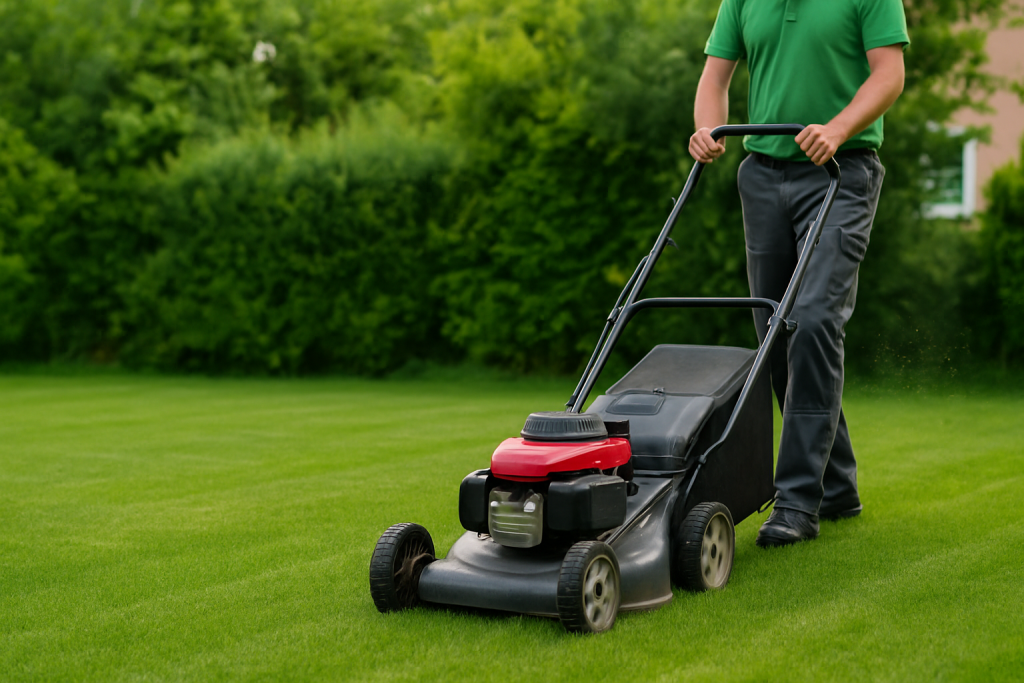
• Mow high: Set your mower blade to 3 to 3.5 inches. Taller grass shades the soil, reduces evaporation, and keeps roots cooler.
• Avoid heavy foot traffic: During drought, grass is weaker. Try to limit walking or playing on dry lawns to prevent damage.
• Use mulch or grass clippings: Leaving clippings on your lawn recycles moisture and nutrients back into the soil. - Compacted Soil: The Hidden Barrier to Healthy Roots
Clay-heavy soils common in eastern Nebraska often become compacted from foot traffic, lawn equipment, and weather. Compacted soil restricts air, water, and nutrient movement, making it harder for grass roots to grow.
DIY Solutions:
• Aerate your lawn annually: Core aeration removes small plugs of soil, relieving compaction and improving root access to air and moisture. Rent an aerator or hire a service in the spring or fall.
• Top-dress with compost: After aeration, apply a thin layer of compost to boost organic matter and improve soil structure.
• Avoid working the soil when wet: Wet soils compact more easily. Wait for dry conditions before heavy use or renovation. - Weather Extremes: Spring Flooding and Fall Frost
Eastern Nebraska’s weather swings can lead to flooding in spring or early frost in fall—both can harm your lawn.
DIY Solutions:
• Improve drainage: Use rain gardens, French drains, or grading to direct water away from your lawn’s low spots.
• Choose hardy grasses: Cool-season grasses like Kentucky bluegrass and tall fescue handle frost and wet conditions better.
• Fall cleanup: Remove fallen leaves and debris quickly to prevent mold and disease.
• Prepare for winter: Fertilize appropriately in the fall to strengthen roots before dormancy. - Pest & Disease Pressures
Stressed lawns are more vulnerable to pests like grubs and diseases like brown patch, especially after harsh weather.
DIY Solutions:
• Monitor regularly: Look for signs like thinning grass, discoloration, or chewing damage.
• Maintain proper fertilization and watering: Healthy grass resists pests and recovers faster.
• Use integrated pest management: Combine cultural practices (like mowing and watering) with targeted treatments only when necessary. - Nutrient Deficiencies: Feeding Your Lawn Right
Nebraska soils can lack key nutrients, especially nitrogen and potassium, which are critical for strong growth and drought resistance.
DIY Solutions:
• Test your soil: A simple soil test reveals nutrient levels and pH.
• Fertilize seasonally: Apply fertilizer in spring and fall following soil test recommendations.
• Use slow-release fertilizers: These provide steady nutrients without burning the lawn.